Hungarian Meatloaf (Stefánia szelet)

Hungarian Meatloaf, often called Stefania szelet, is a beloved classic found on family tables, holiday spreads, and comforting Sunday lunches across Hungary and Transylvania. This dish is simple, hearty, and incredibly nostalgic.

It’s the kind of recipe passed down through generations, adjusted slightly by every family, yet always recognizable. Served hot with mashed potatoes or cold in sandwiches the next day, Hungarian meatloaf is versatile, budget-friendly, and deeply comforting.

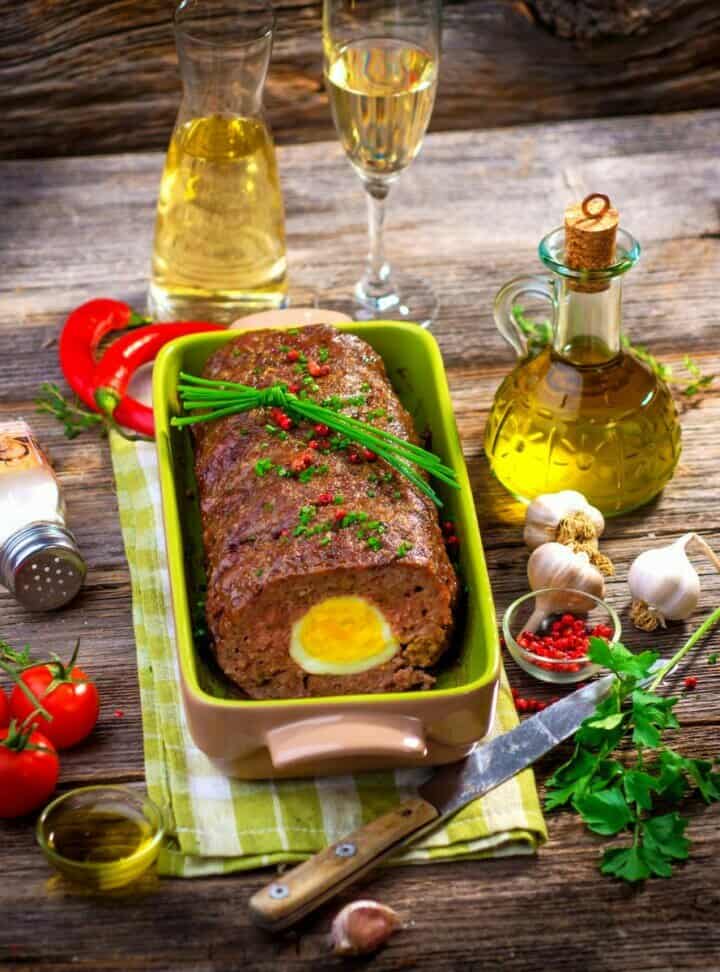
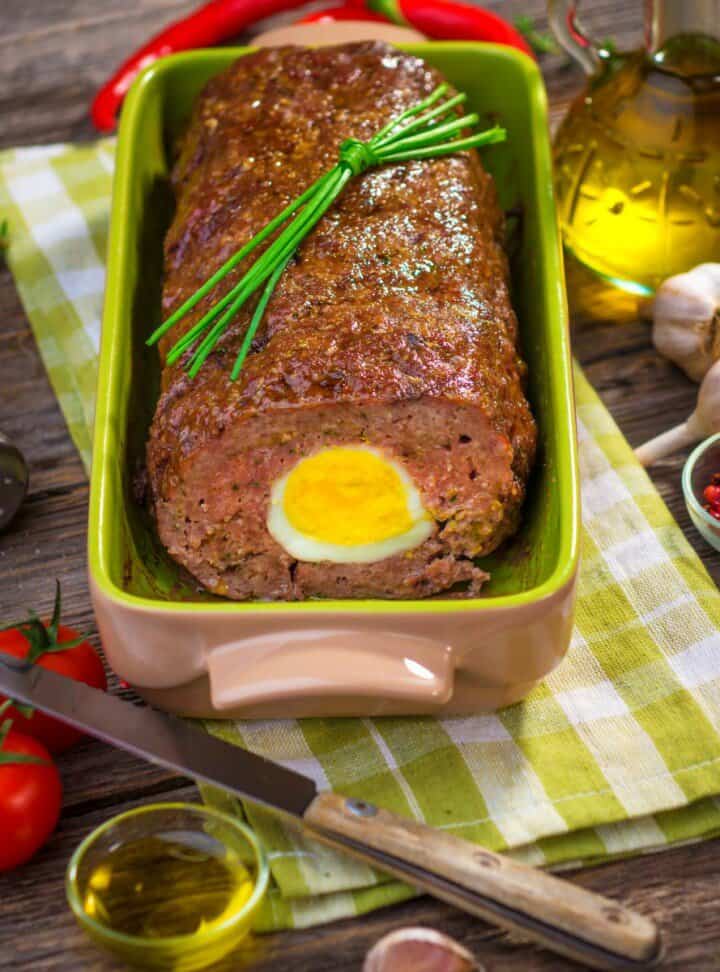
a beautiful loaf of meatloaf with eggs in the middle

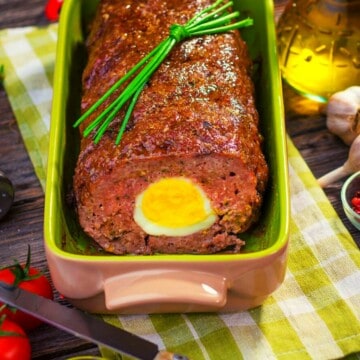
Unlike American-style meatloaf, this version is richly seasoned with garlic, paprika, and onions. Features whole boiled eggs baked inside the loaf, creating a beautiful slice and a satisfying bite every time.

If you’re looking for an authentic Central European meatloaf recipe that’s easy to make but full of character, this one deserves a spot in your kitchen.

A Classic Comfort Dish

What Makes Hungarian Meatloaf Different. Hungarian meatloaf stands apart from other versions thanks to its seasoning and structure. Paprika plays a starring role, giving the loaf warmth and depth without overpowering it.

The meat mixture is softer, almost airy, because of the soaked bread rather than breadcrumbs. And of course, the boiled eggs inside make it instantly recognizable and uniquely Hungarian.

A Traditional Dish With Many Names. You may hear this recipe called: Stefánia fasírt, Hungarian meatloaf, or Egg-stuffed fasírt.

The name “Stefánia” is often associated with festive or special dishes in Hungarian cuisine, which makes this meatloaf a popular choice for holidays and gatherings.

Why You’ll Love This Stefania Szelet

  • Authentic Hungarian flavors with paprika, garlic, and onion
  • Juicy and tender texture thanks to soaking the bread properly
  • Beautiful presentation with eggs baked right inside
  • Perfect for meal prep – tastes even better the next day
  • Versatile serving options: hot, cold, sliced, or sandwiched
  • Family-friendly and budget-friendly
hungarian meatloaf slices

Tips for the Best Hungarian Meatloaf

  • Don’t overmix the meat mixture because this keeps the loaf tender
  • Shape the loaf directly in the loaf pan for even baking
  • Place eggs in a straight line for clean slices
  • Drain excess liquid halfway through baking if needed
  • Let the meatloaf rest before slicing to keep it intact

How to serve the Hungarian Meatloaf?

Are you looking for recipes you can pair the Hungarian Meatloaf with? This dish is incredibly versatile. Serve it hot with mashed potatoes and pickles, with Broccoli Cauliflower Casserole or Roasted Brussels Sprouts with Bacon and Balsamic Vinegar.

You can also serve it cold, sliced thin for sandwiches, or as part of a traditional Hungarian platter.

What You'll Need

all the ingredients for the meatloaf
  • Ground Meat - Traditionally, ground pork is used for the richest flavor and juiciest texture. A mix of pork and beef also works well if you prefer a slightly leaner loaf. I don't eat pork, so I used only ground beef.
  • Bread (or Rolls) - Soft white bread or rolls are soaked in milk or water. This keeps the meatloaf moist and tender. Avoid squeezing it completely dry, because some moisture is key.
  • Eggs (Raw) - Raw eggs bind the meat mixture and help it hold its shape while baking.
  • Hard-Boiled Eggs - These are placed directly into the center of the loaf. Boil them ahead of time, peel carefully, and let them cool before assembling.
  • Vegetable Oil - For sauteing the onion.
  • Onion - Finely chopped onion adds sweetness and moisture. It can be used raw or lightly sautéed for a milder flavor.
  • Garlic - Fresh garlic is essential. It provides depth and that unmistakable Hungarian aroma.
  • Sweet Hungarian Paprika - This is non-negotiable for authentic flavor. Sweet paprika adds warmth and color without heat.
  • Salt & Black Pepper - Simple seasoning that allows the paprika and garlic to shine.
  • Egg wash - A small amount brushed on top helps achieve a golden crust.

How to Make the Hungarian Meatloaf?

Boil the eggs: Place whole eggs in a saucepan and cover with cold water. Bring to a gentle boil, then continue cooking for about 10 minutes, or until the eggs are hard-boiled.

Transfer to cold water, peel, and set aside — these will be used for stuffing the meatloaf later.

Prep the Bread: Soak stale bread in a small amount of water or milk until soft, then squeeze out the excess liquid.

Sauté Aromatics: Heat a bit of oil in a frying pan; sauté the minced onion until translucent, then remove the pan from the heat and let it cool slightly.

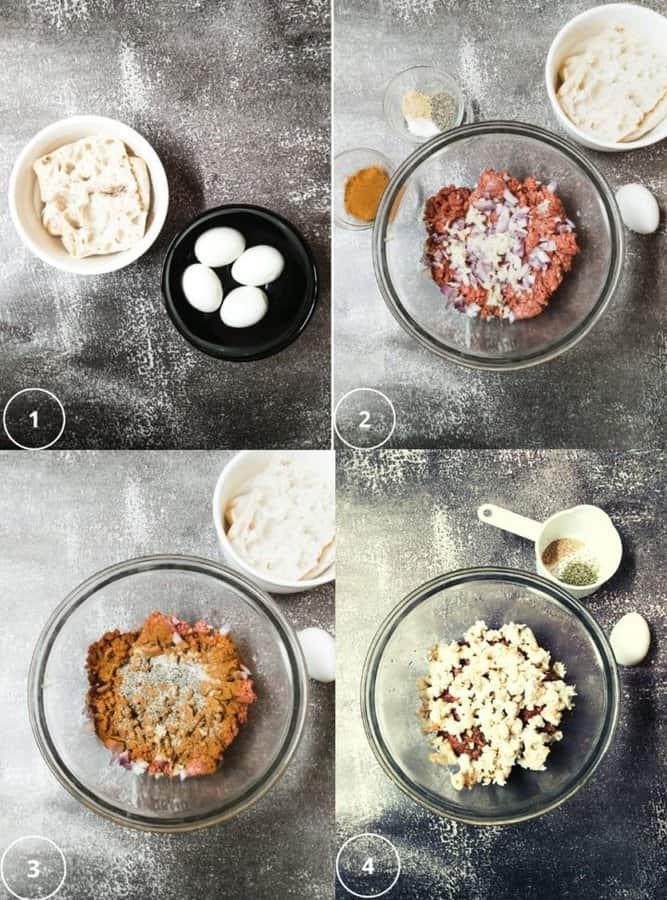
two images about how to make the meat mixture for the meatloaf

Mix the Meat: In a large bowl, combine minced meat, soaked bread, sautéed onion and garlic, eggs, paprika, cumin, salt, and pepper. Mix gently until just combined.

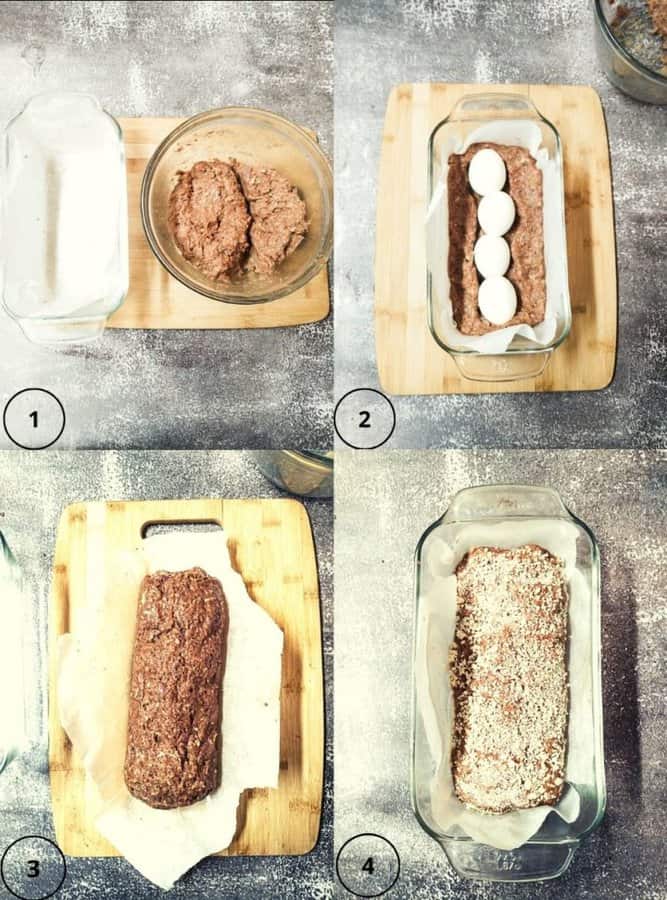
two images about how to assemble the meatloaf

Assemble in a pan:

Grease your loaf pan (or a baking dish). Place about half of the meat mixture evenly on the bottom of the pan, forming a base layer. Create a shallow groove down the center of this layer just wide enough for the hard-boiled eggs.

Add eggs: Arrange the peeled hard-boiled eggs in a row down the center of the loaf pan.

two images about how to finish the meatloaf assembling

Cover with remaining meat: Take the rest of the meat mixture and spread it over the eggs, making sure to completely encase the eggs within the meat so they don’t peek out during baking. Smooth the top evenly.

Brush the top lightly with egg wash, then cover it with aluminum foil.

Bake: Bake in a preheated oven at 190°C (375°F) for approximately 40 minutes, covered with aluminum foil.

During baking, juices and fat will naturally render out of the meat and collect in the bottom of the pan. So carefully tilt the loaf pan and pour off excess liquid into a heat-proof bowl or cup.

Removing some of the liquid helps prevent the bottom of the loaf from steaming and becoming soggy. Then continue baking it without the aluminum foil for 20 minutes.

Rest and serve: Let the meatloaf rest for a few minutes before slicing so it holds together better. Serve warm with sides like mashed potatoes, or let cool and serve cold as part of a buffet.

Storage & Make-Ahead Notes

Hungarian meatloaf stores beautifully. Refrigerate leftovers for up to 3 days. It can also be frozen whole or sliced, making it perfect for meal prep or busy weeks.

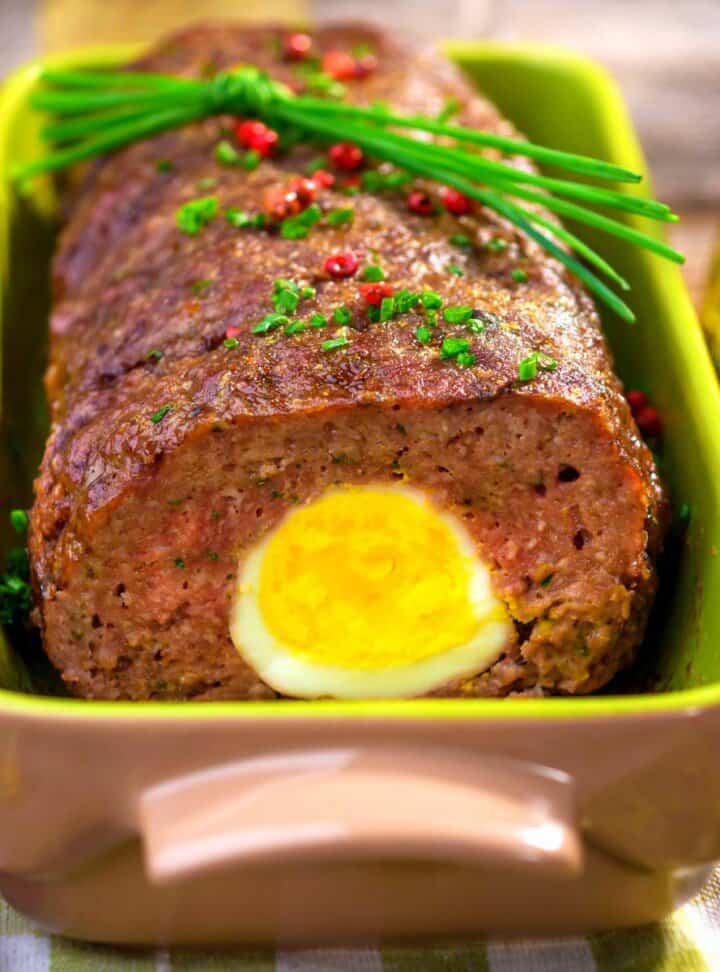
hungarian meatload or stefania szelet
Why is bread used instead of breadcrumbs?

Soaked bread keeps the loaf juicy, tender, and light, which is essential to its traditional texture. When fresh or stale bread is soaked in milk or water, it absorbs moisture and slowly releases it during baking, preventing the meat from drying out and creating a softer, almost fluffy interior. Breadcrumbs, especially dry ones, tend to make the meatloaf denser and firmer

Should I sauté the onions first?

Sautéing the onions before adding them to Hungarian meatloaf is optional, but it does make a noticeable difference in flavor and texture. Raw onions provide a sharper, more pronounced bite and release moisture as the meatloaf bakes.
Sautéed onions, on the other hand, become soft, slightly sweet, and mellow, blending more smoothly into the meat mixture and creating a gentler overall flavor.

Why does my meatloaf release liquid while baking?

Meatloaf releases liquid while baking because the meat naturally renders fat and moisture as it cooks, especially when using soaked bread and eggs.
As the proteins tighten, excess liquid is pushed out, which is completely normal and helps keep the meatloaf tender. Simply draining the liquid during baking prevents sogginess without drying out the loaf.

Can I bake it free-form instead of in a loaf pan?

Yes, you can bake it free-form, but it will have a slightly different result than using a loaf pan. A free-form loaf develops a firmer crust and allows more fat and moisture to escape, which creates a deeper browning but can make the meatloaf a bit drier.
Baking it in a loaf pan helps the loaf keep its shape, stay juicier, and cook more evenly. If you choose to bake it free-form, shape it firmly and place it on a parchment-lined baking sheet to prevent spreading.

hungarian meatloaf with egg in the middle

Hungarian Meatloaf

This Hungarian meatloaf (Stefánia szelet) is a comforting classic featuring seasoned ground meat shaped into a loaf and baked around whole hard-boiled eggs. Traditionally enjoyed as a hearty family dinner or served cold on picnics and buffets. This dish celebrates simple, rustic Hungarian flavors.
4.89 from 9 votes
Print Pin Rate Save
CourseAppetizer, Main Course
CuisineHungarian
Prep Time: 30 minutes
Cook Time: 1 hour
Total Time: 1 hour 30 minutes
servings12 slices
calories123
cost$5

Equipment

  • Large Mixing Bowl
  • Baking dish or loaf pan
  • Frying Pan
  • Knife and cutting board
  • Spoon or spatula
  • Aluminum foil (optional)

Ingredients
 

  • 4 hard-boiled eggs
  • 2 tablespoon vegetable oil or any
  • 4.9 oz white onion (140g, 1 medium size)
  • 6 cloves of garlic
  • 3 slice of white bread soaked and squeezed dry
  • 4 ⅝ oz ground beef (1,130g)
  • 3 eggs
  • 3 tablespoon paprika powder
  • 1 teaspoon salt
  • ½ teaspoon black pepper
  • ½ teaspoon cumin
  • 1 egg wash

Instructions
 

  • Boil the eggs: Place whole eggs in a saucepan and cover with cold water. Bring to a gentle boil, then continue cooking for about 10 minutes, or until the eggs are hard-boiled.
    4 hard-boiled eggs
  • Transfer to cold water, peel, and set aside — these will be used for stuffing the meatloaf later.
  • Prep the Bread: Soak stale bread in a small amount of water or milk until soft, then squeeze out the excess liquid.
    3 slice of white bread
  • Sauté Aromatics: Heat a bit of oil in a frying pan; sauté the minced onion until translucent, then remove the pan from the heat and let it cool slightly.
    2 tablespoon vegetable oil, 4.9 oz white onion, 6 cloves of garlic
  • Mix the Meat: In a large bowl, combine minced meat, soaked bread, sautéed onion and garlic, eggs, paprika, cumin, salt, and pepper. Mix gently until just combined.
    4 ⅝ oz ground beef, 3 eggs, 3 tablespoon paprika powder, 1 teaspoon salt, ½ teaspoon black pepper, ½ teaspoon cumin
  • Assemble in pan: Grease your loaf pan (or a baking dish). Place about half of the meat mixture evenly on the bottom of the pan, forming a base layer. Create a shallow groove down the center of this layer just wide enough for the hard-boiled eggs.
  • Add eggs: Arrange the peeled hard-boiled eggs in a row down the center of the loaf pan.
  • Cover with remaining meat: Take the rest of the meat mixture and spread it over the eggs, making sure to completely encase the eggs within the meat so they don’t peek out during baking. Smooth the top evenly.
  • Brush the top lightly with egg wash, then cover it with aluminum foil.
    1 egg wash
  • Bake: Bake in a preheated oven at 190°C (375°F) for approximately 40 minutes, covered with aluminum foil.
  • During baking, juices and fat will naturally render out of the meat and collect in the bottom of the pan. So carefully tilt the loaf pan and pour off excess liquid into a heat-proof bowl or cup. Removing some of the liquid helps prevent the bottom of the loaf from steaming and becoming soggy.
  • Then continue baking it without the aluminum foil for 20 minutes.
  • Rest and serve: Let the meatloaf rest for a few minutes before slicing so it holds together better. Serve warm with sides like mashed potatoes, or let cool and serve cold as part of a buffet.

Notes

  • Bread Substitute: If you don’t have stale bread, use breadcrumbs — but soaked bread gives a more traditional texture. 
  • Meat Choice: Traditionally, Hungarian recipes use mainly pork or beef, but a mix of pork and beef adds flavor and juiciness. (I don't use pork)
  • Manage excess liquid: During baking, the meatloaf will release juices and fat that collect in the bottom of the pan. If too much liquid builds up, it can cause the bottom of the loaf to become soggy instead of browning properly. When you take the aluminum foil, you can carefully pour off the excess juices into a heat-proof container (just tilt the pan slightly and pour out the liquid). This helps improve the texture of the loaf without significantly affecting flavor. Additionally, letting the meatloaf rest after baking allows the juices to redistribute back into the meat, giving a more cohesive and moist slice.
  • Paprika: Use Hungarian sweet paprika for authentic flavor; smoked paprika can be added for a deeper aroma.
  • Serving: This meatloaf is delicious hot with gravy, and mashed potatoes, or cold sliced on a cold platter.

Nutrition

Calories: 123kcalCarbohydrates: 7gProtein: 7gFat: 8gSaturated Fat: 2gCholesterol: 111mgSodium: 282mgPotassium: 109mgFiber: 1gSugar: 1gVitamin A: 221IUVitamin C: 4mgCalcium: 35mgIron: 1mg
Did you made this recipe?Tag @one_sweet_harmony and hashtag #one_sweet_harmony!

12 Comments

  1. I made this a year ago and it was delicious! Thank you! However, I thought it had Vegeta in the recipe but I don’t see it now.

    1. Hi Kendra,
      I actually updated the recipe recently to reflect a more traditional, authentic version of this dish. In the original recipe, vegeta isn’t typically used, which is why you don’t see it there anymore. That said, it’s absolutely something you can add if you enjoy it. It works great as a flavor booster! 😊

  2. 4 stars
    Recipe looks great. One consideration is that cumin and caraway are often interpreted incorrectly between English and Hungarian. The recipe may call for caraway which would make more sense if this is an authentic Hungarian recipe.

    1. Hi John.

      Around my region in Transylvania, I’ve honestly never come across caraway being added to this meatloaf dish. I wouldn’t say it isn’t used in other regions, because it very well might be—I just haven’t personally seen it in traditional home cooking where I grew up.

      That said, cumin and caraway are often mixed up since they can be confusing in translation, but flavor-wise they’re quite different. Definitely feel free to experiment with caraway if you enjoy it—that’s the beauty of cooking 😊

  3. 5 stars
    I have always wanted to try a stuffed hard boiled egg meatloaf recipe. Your step-by-step instructions helped me make the perfect meatloaf recipe and my family loved it. This Hungarian recipe was full of great flavor and so easy to make.

  4. 5 stars
    Really loved it! Thank you so much for sharing this amazing recipe! Will surely have this again! It's really easy to make and it tasted so delicious! Highly recommended!

  5. 5 stars
    I have meatloaf on the meal plan for this week, and I think I will be trying this version. I am so intrigued by the addition of hard boiled eggs.

  6. 5 stars
    Meatloaf is an absolute family favorite in our house. And this unique recipe did not disappoint! The hard boiled eggs in the center were a real conversation piece. They absorbed a lot of flavor from the meatloaf which surprised me. Really good. And it was actually very easy to make. The touch of nutmeg was nice in this savory recipe.

  7. 5 stars
    Wow, I’d never tried Hungarian meatloaf before but I took a chance and made it - it was delicious!

  8. 5 stars
    The meatloaf turned out great! I love the hard-boiled eggs in there. The flavors were very different from my usual meatloaf, so it was a nice change!

Leave a Reply

Your email address will not be published. Required fields are marked *

Recipe Rating